
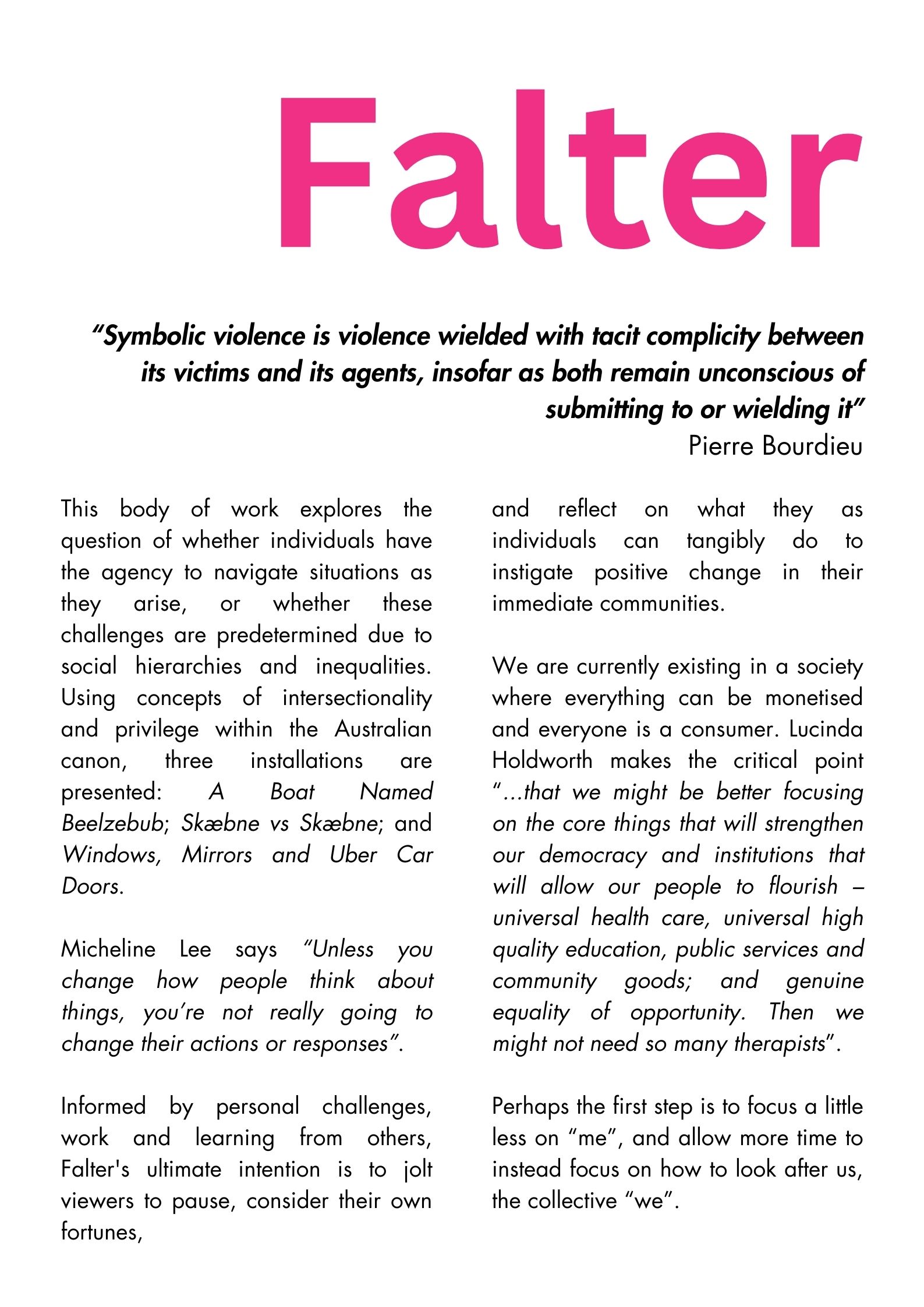
“Symbolic violence is violence wielded with tacit complicity between its victims and its agents, insofar as both remain unconscious of submitting to or wielding it” Pierre Bourdieu.
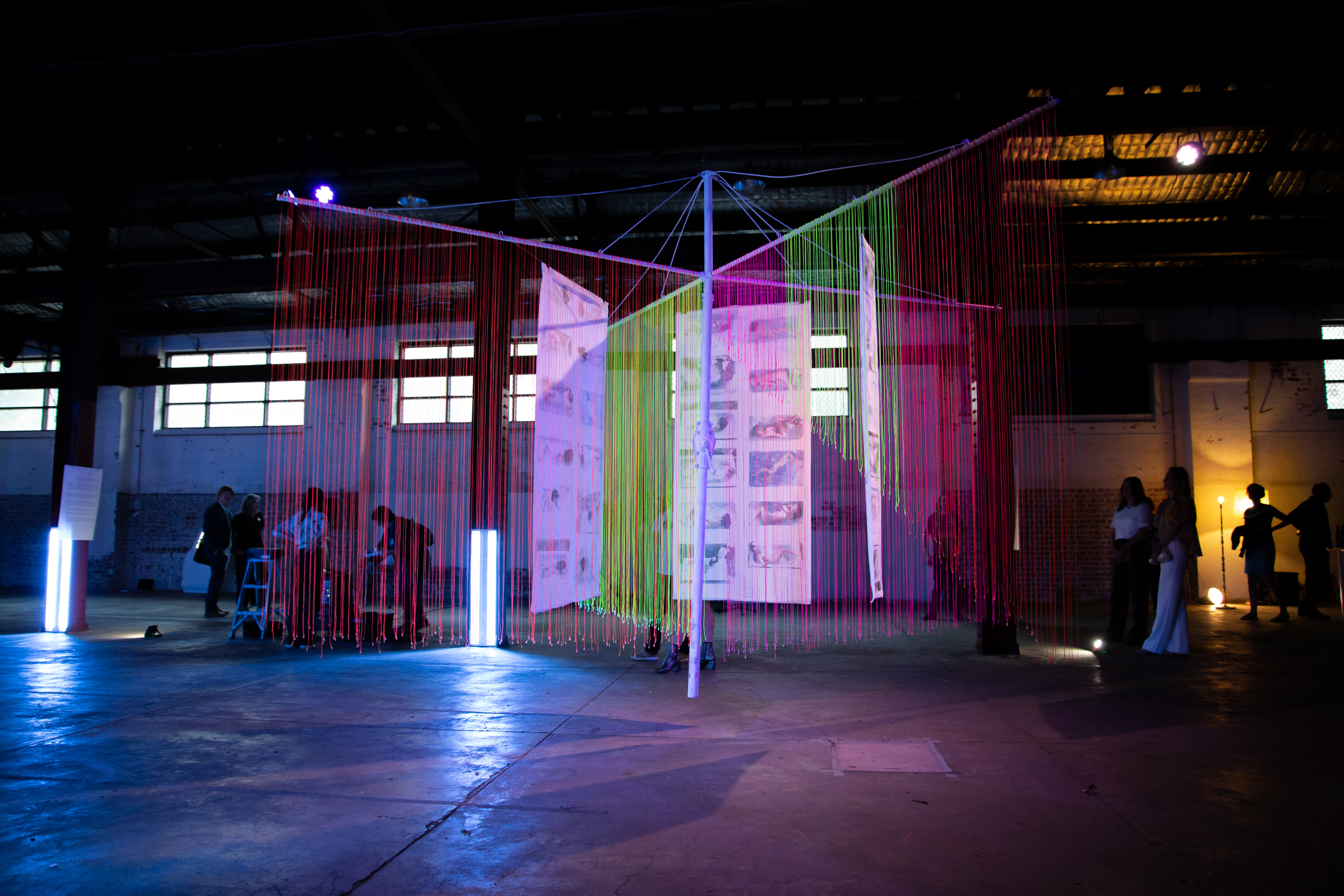
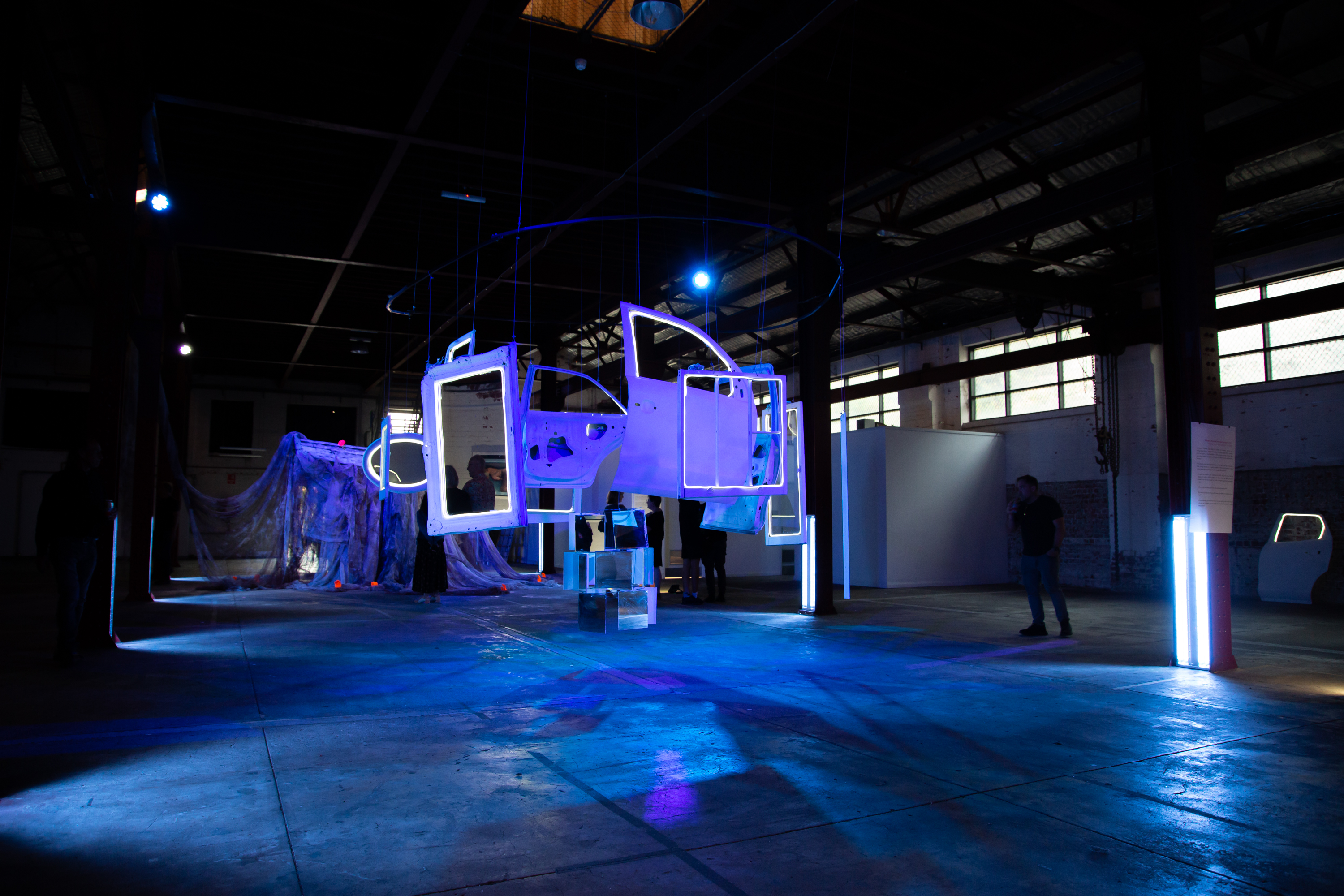
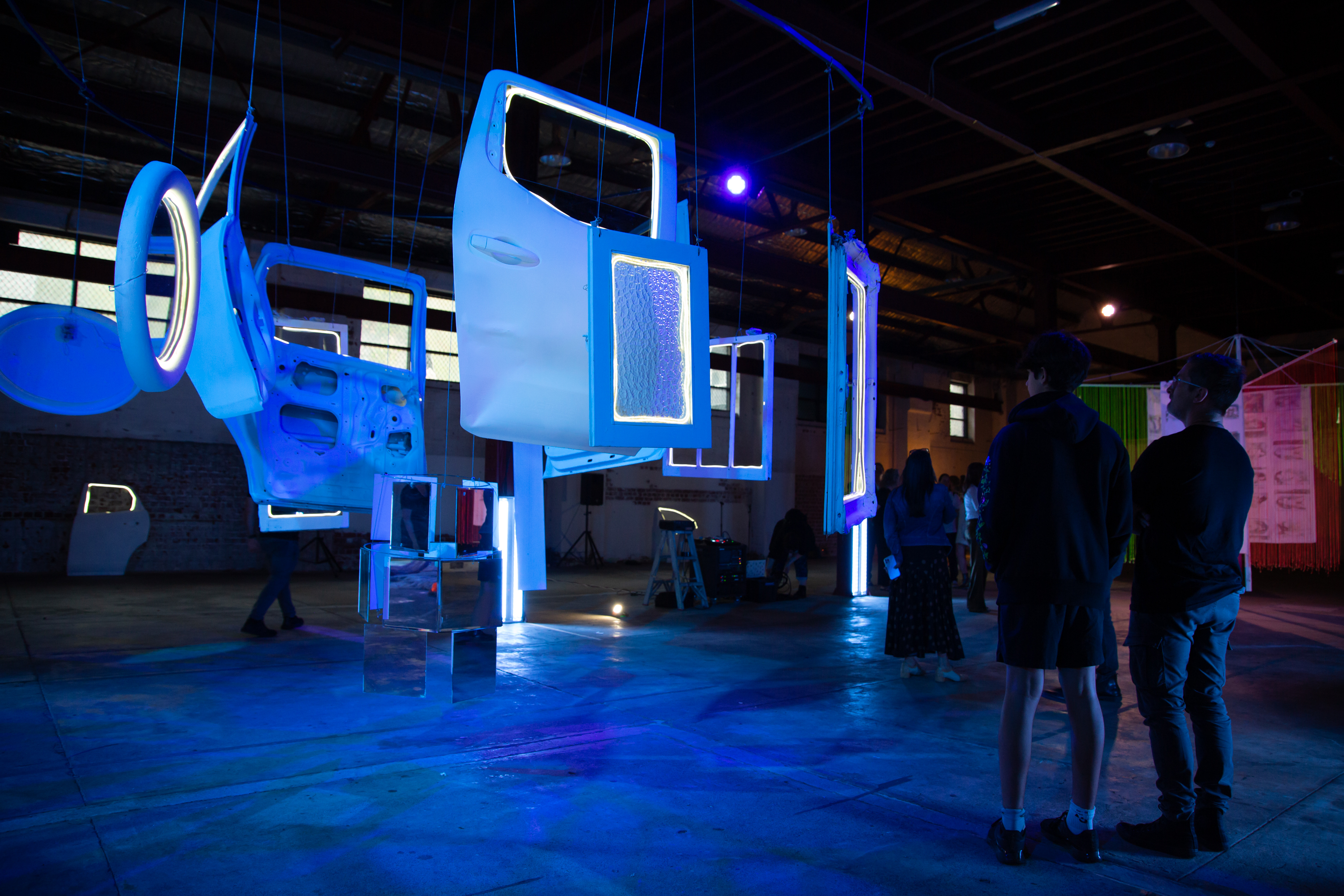
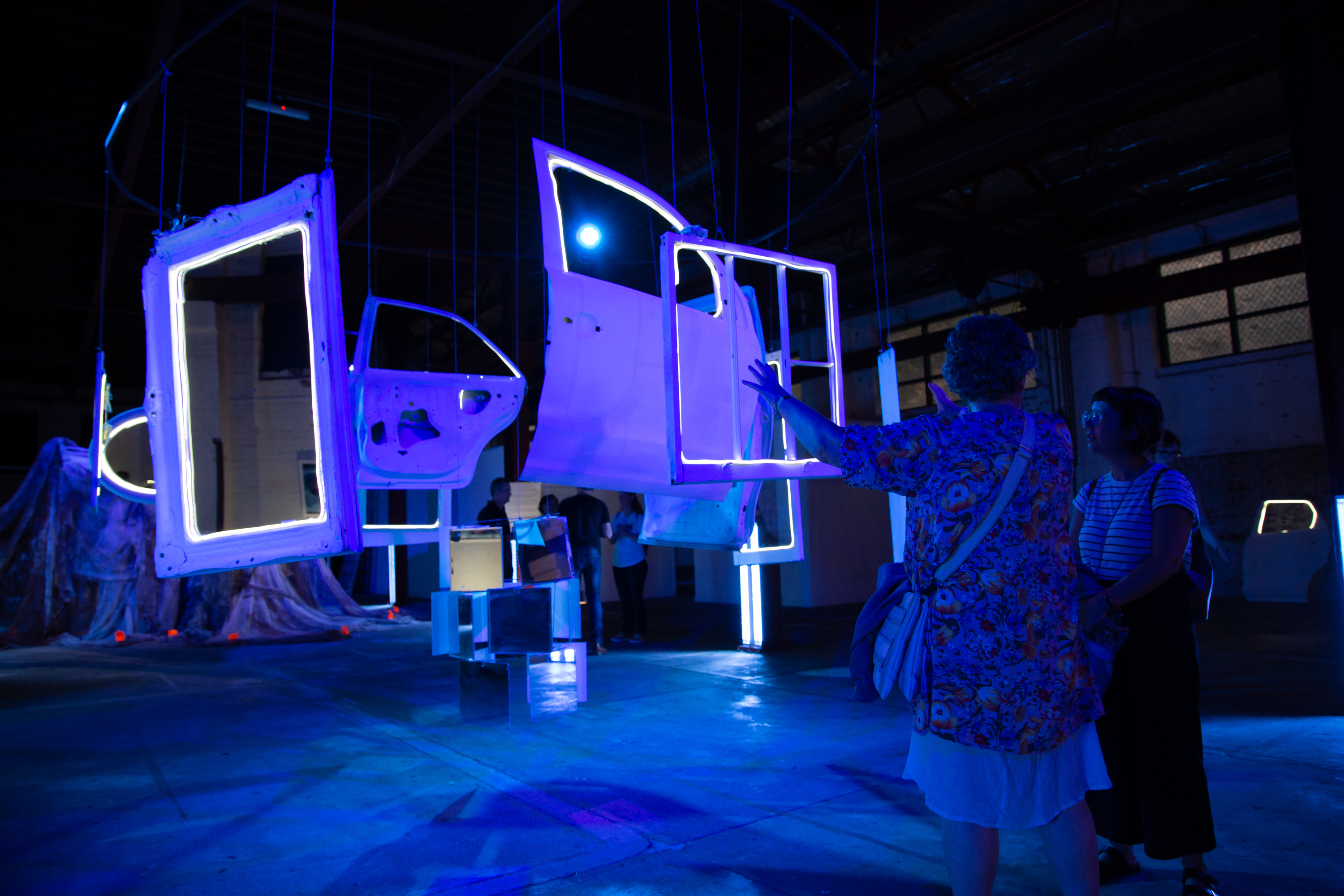
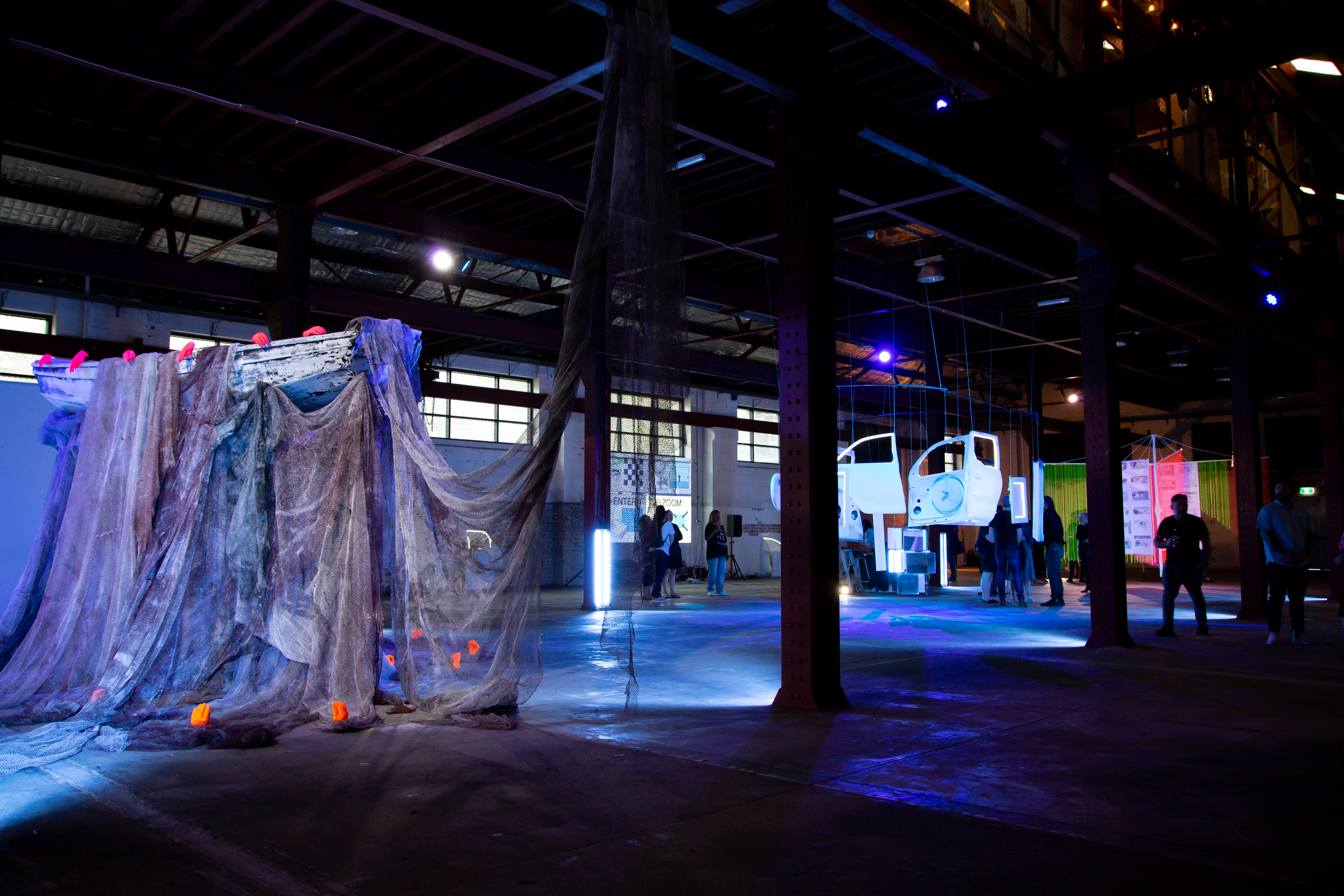
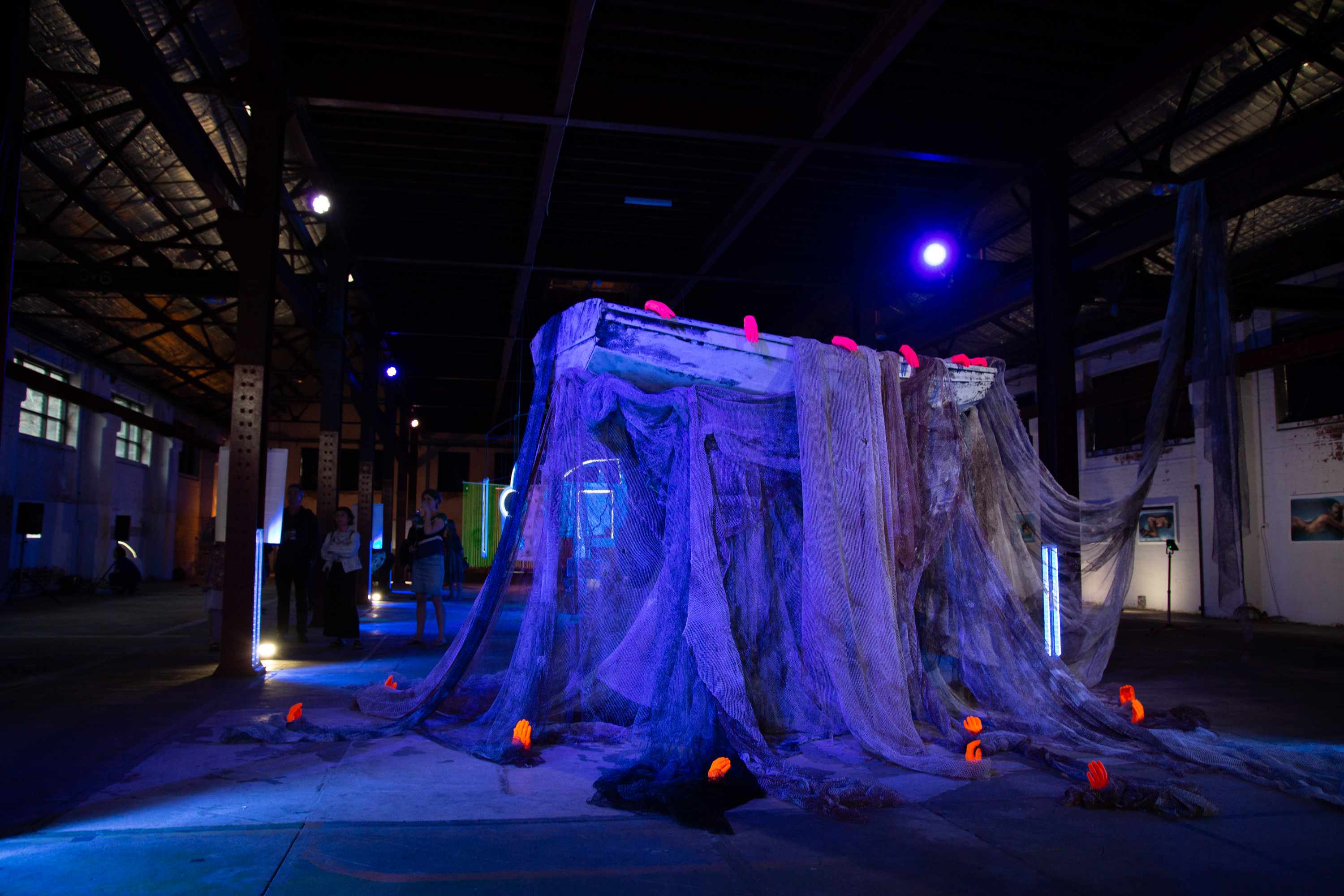
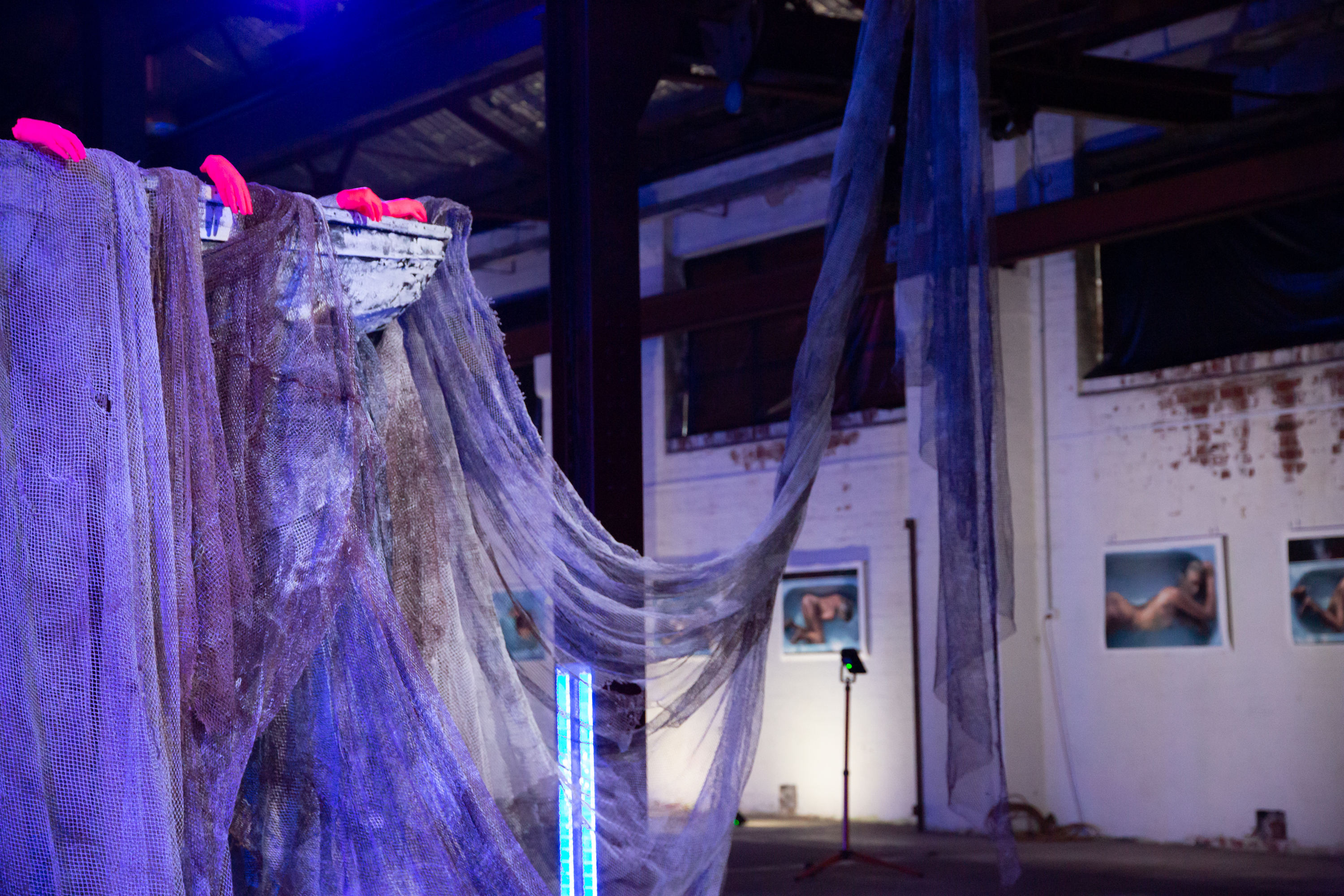
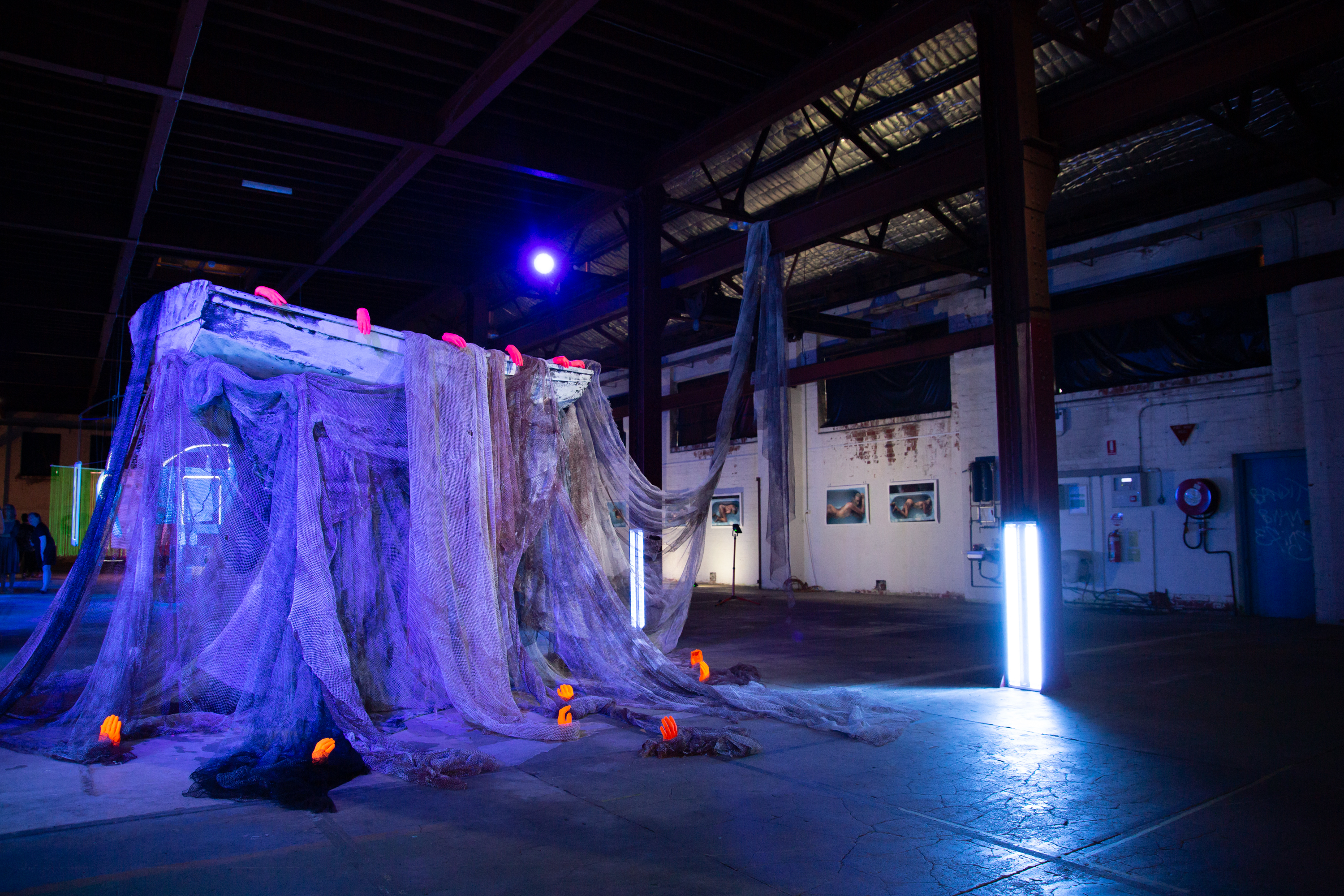
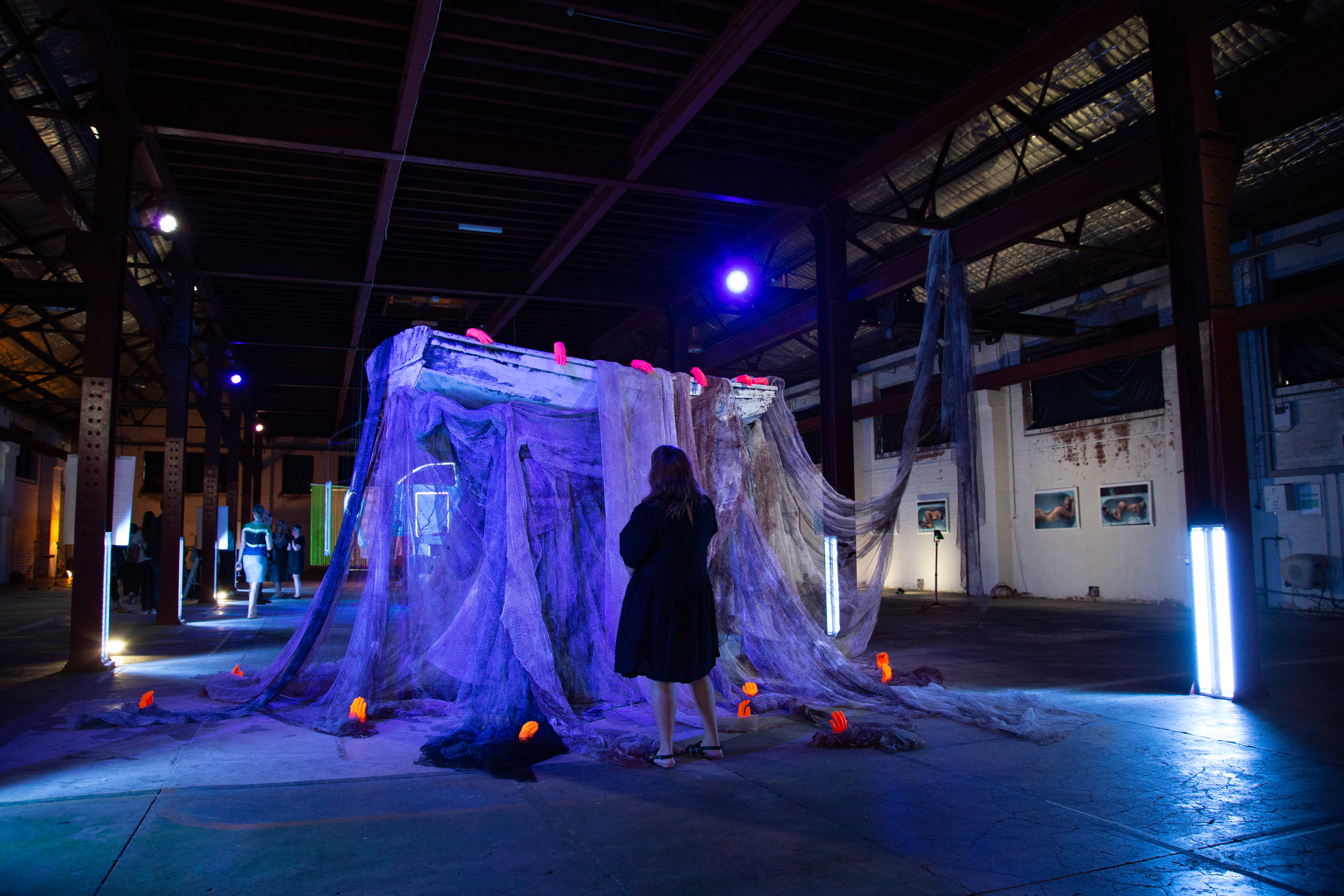
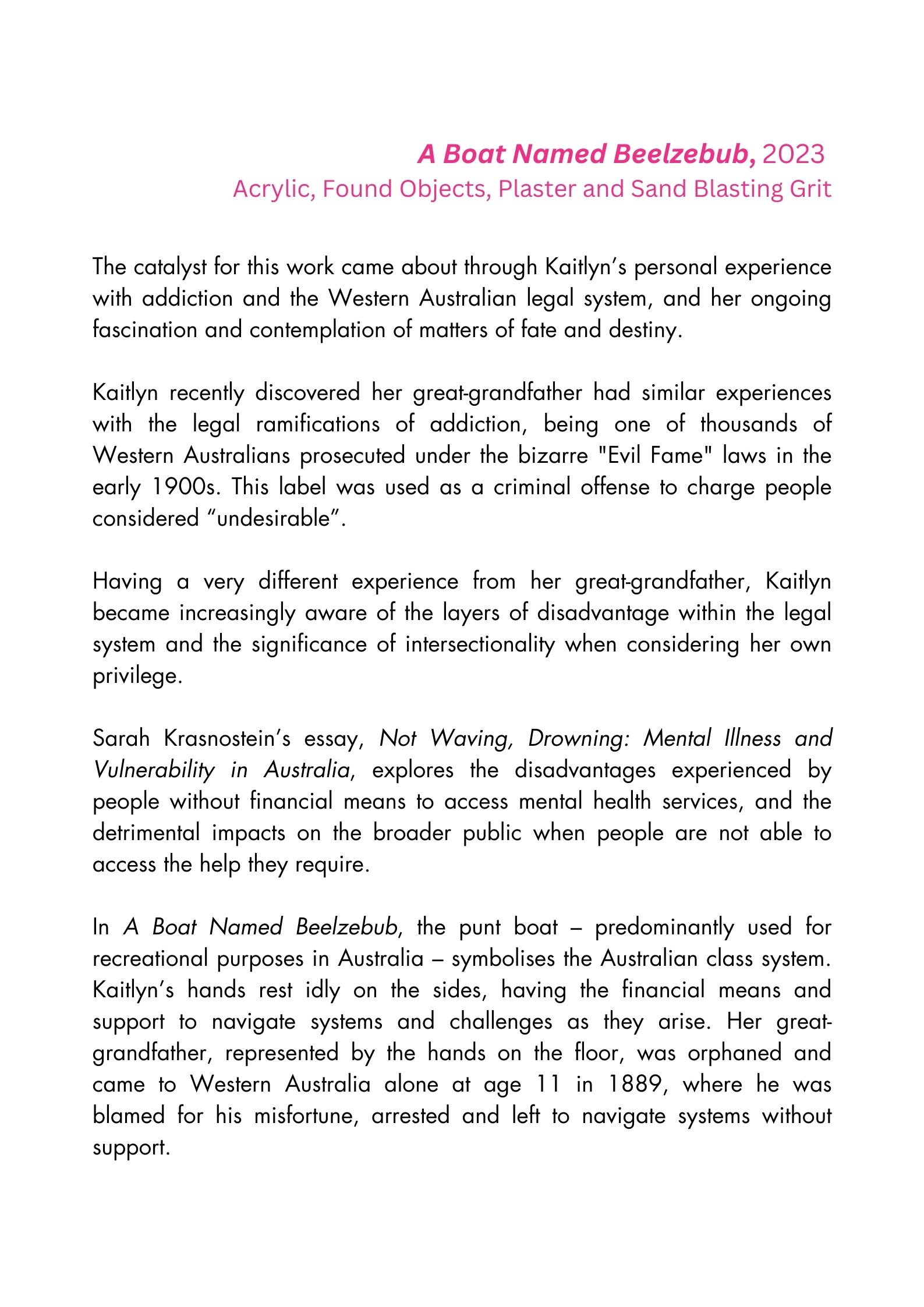
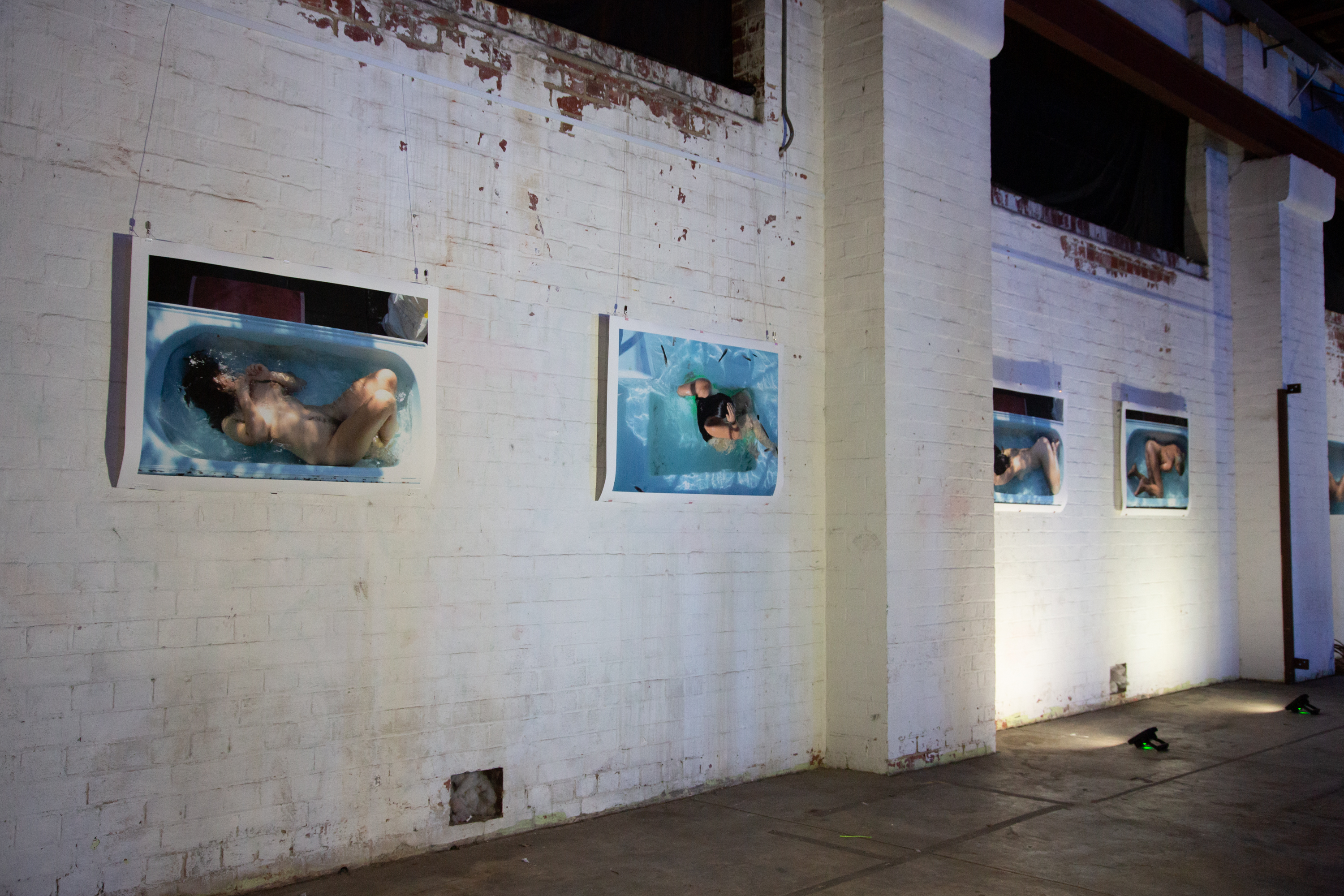
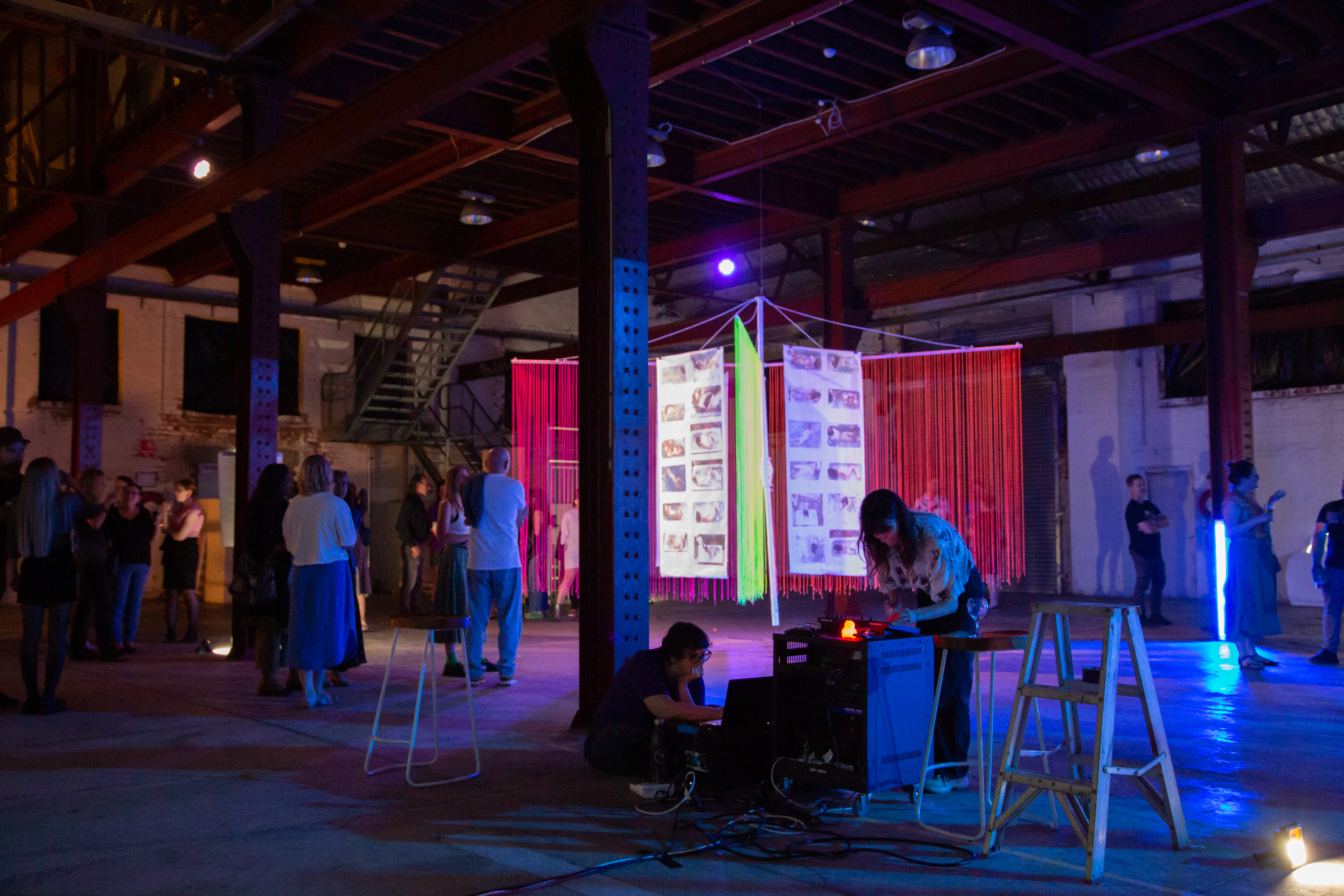
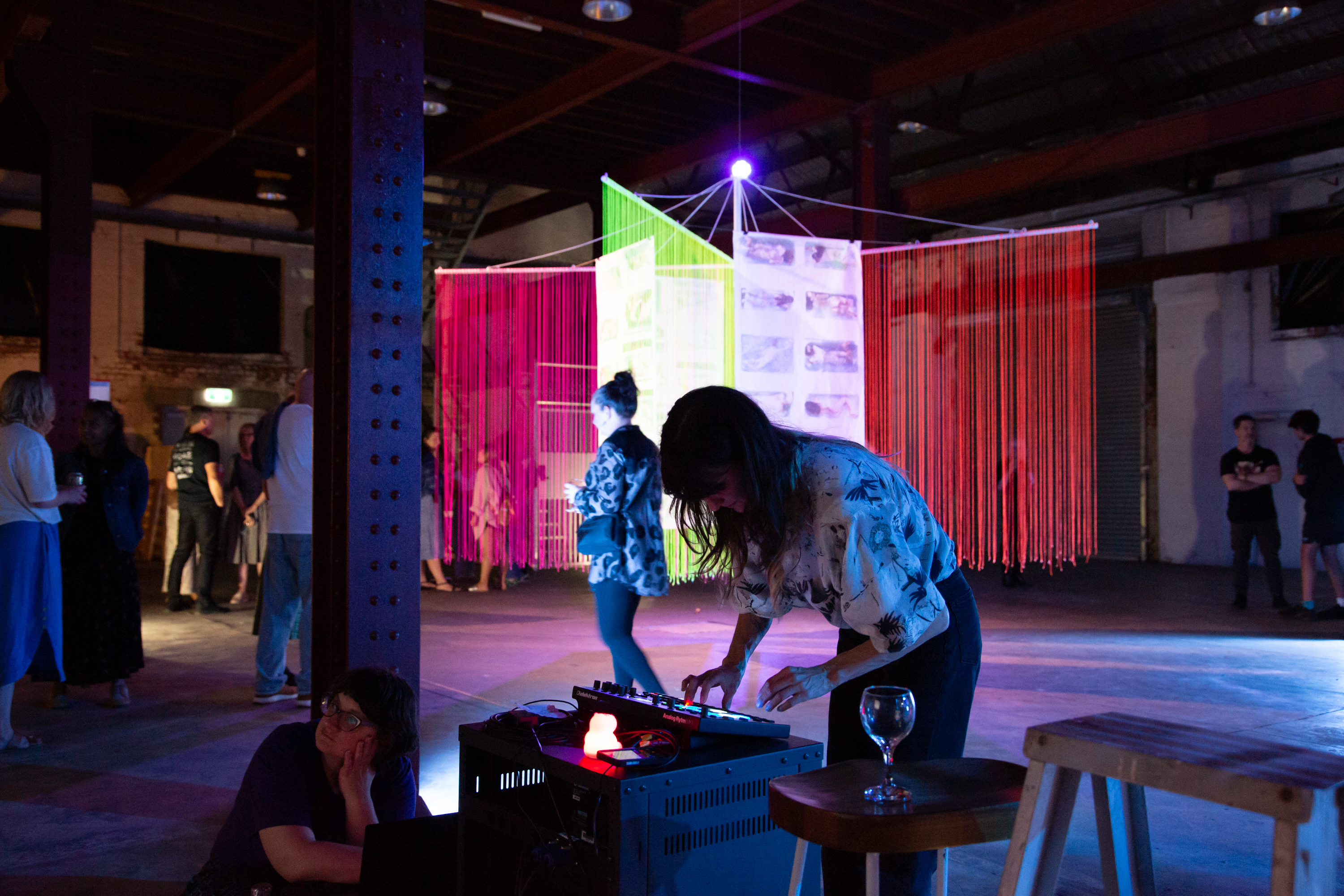
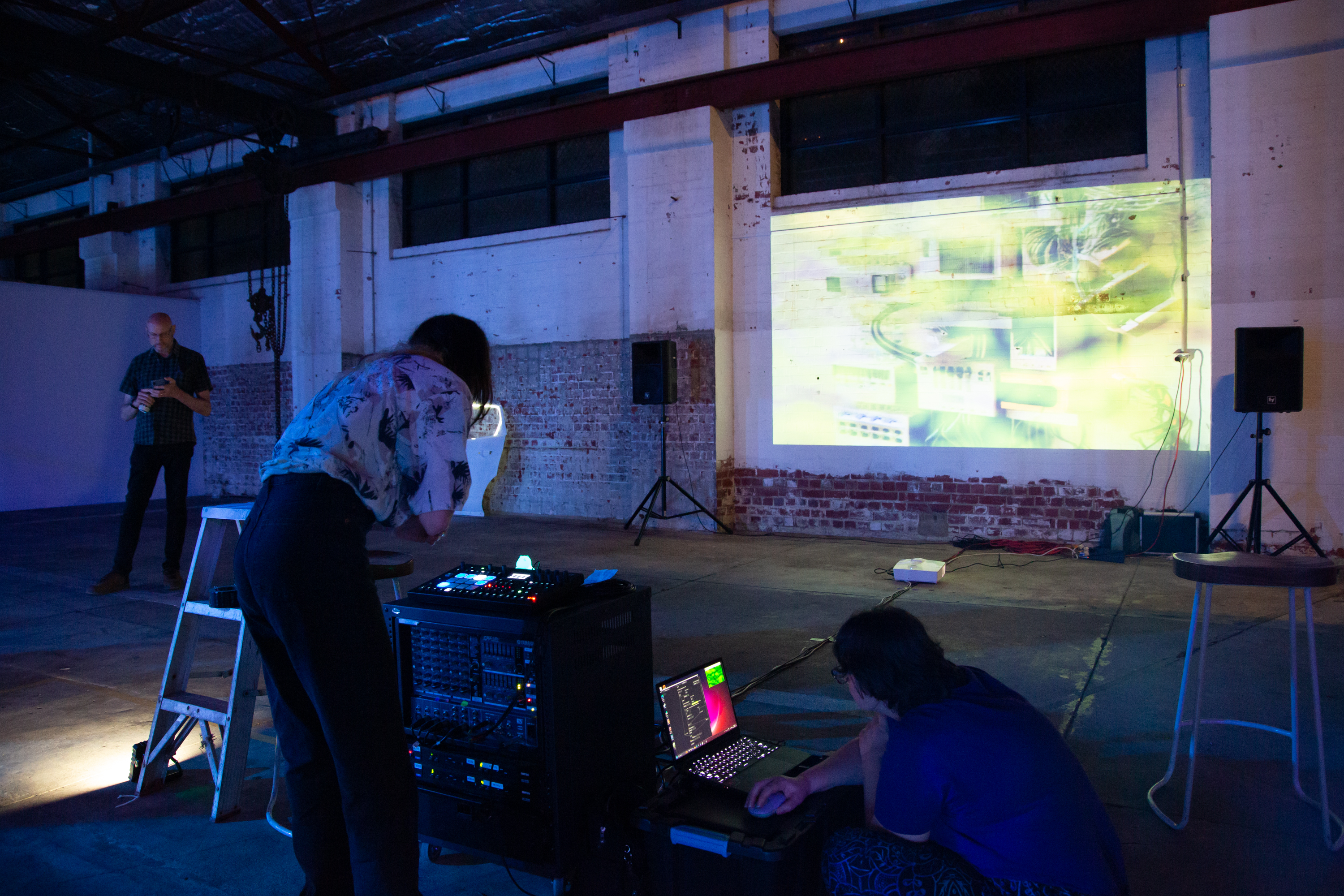
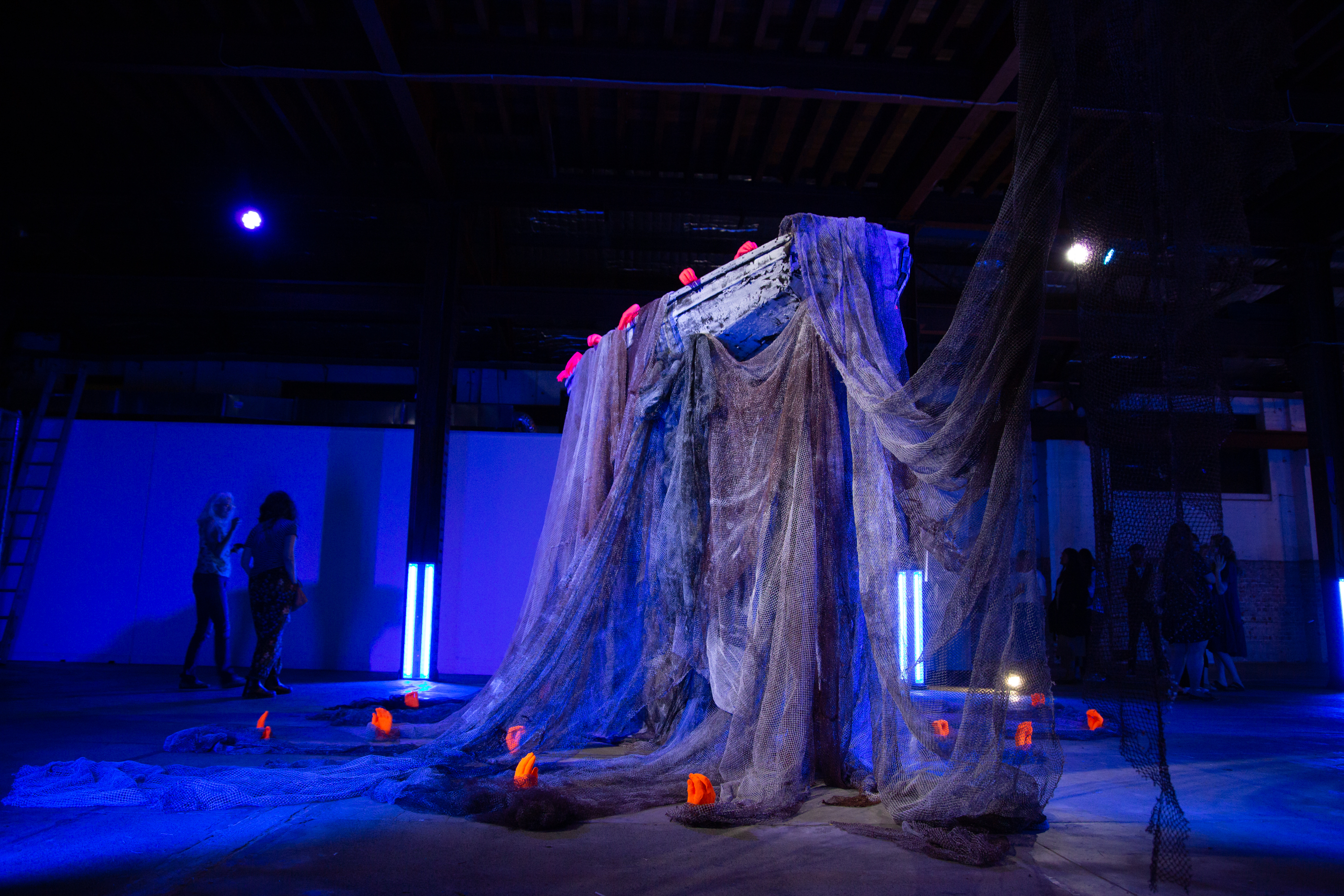
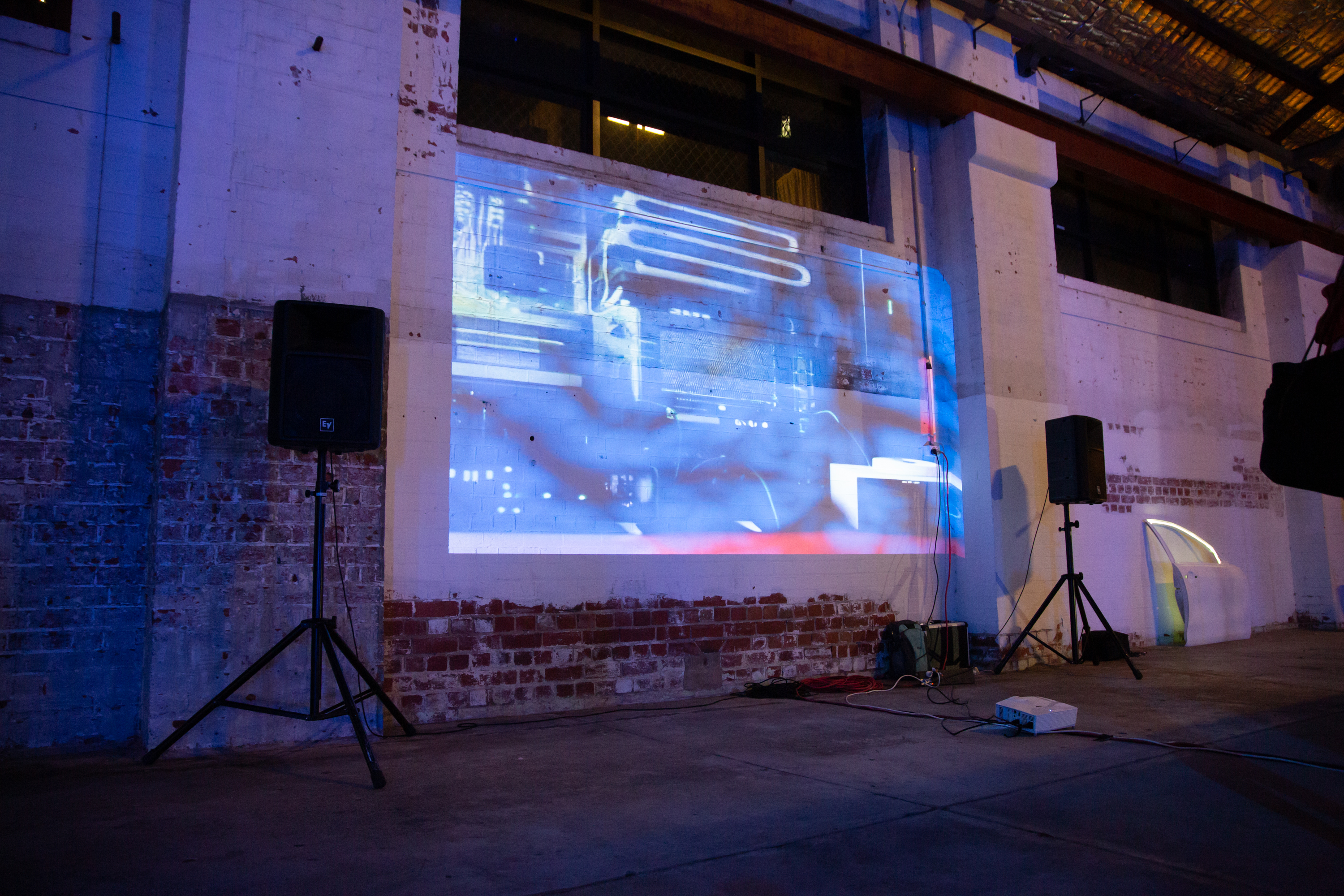
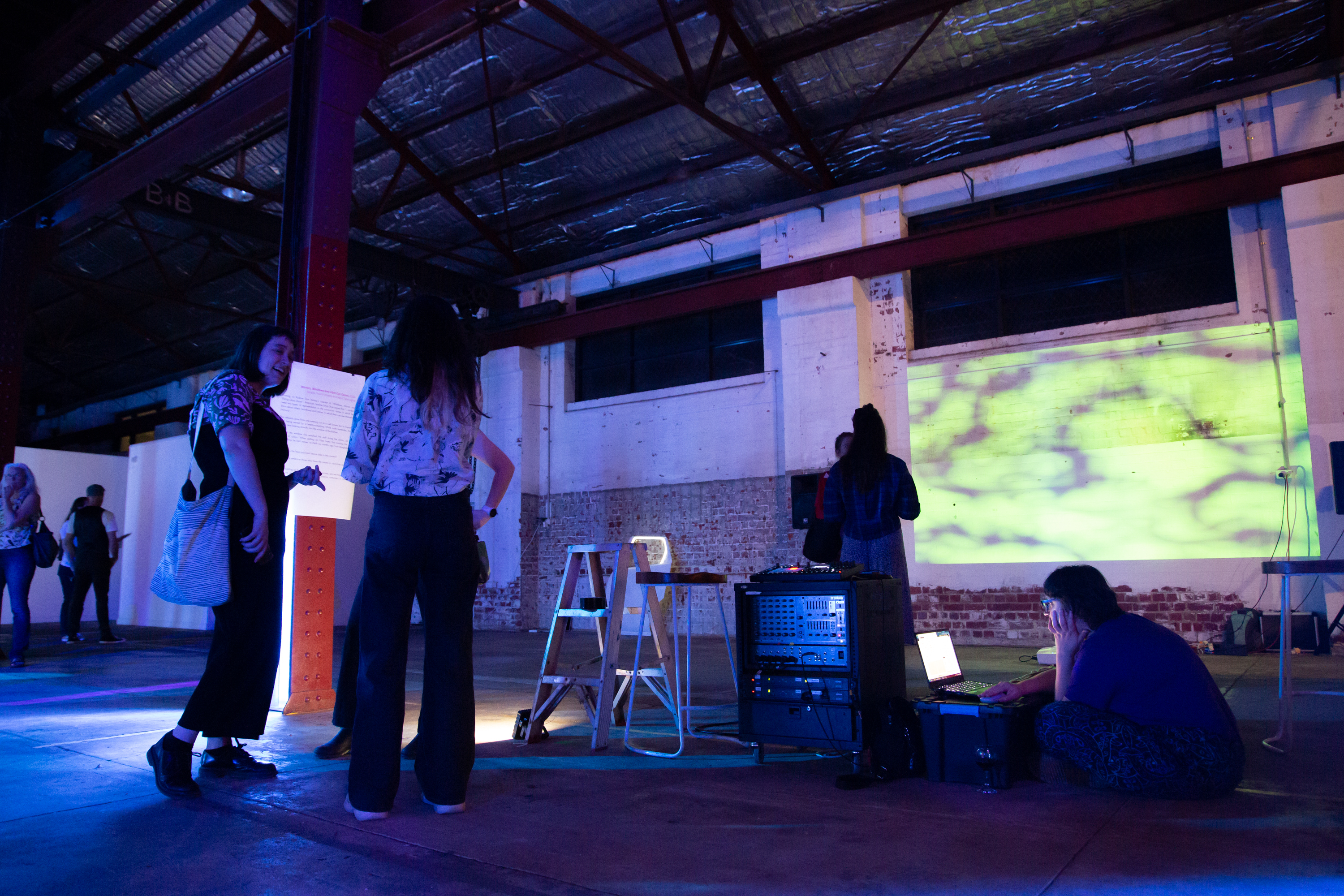
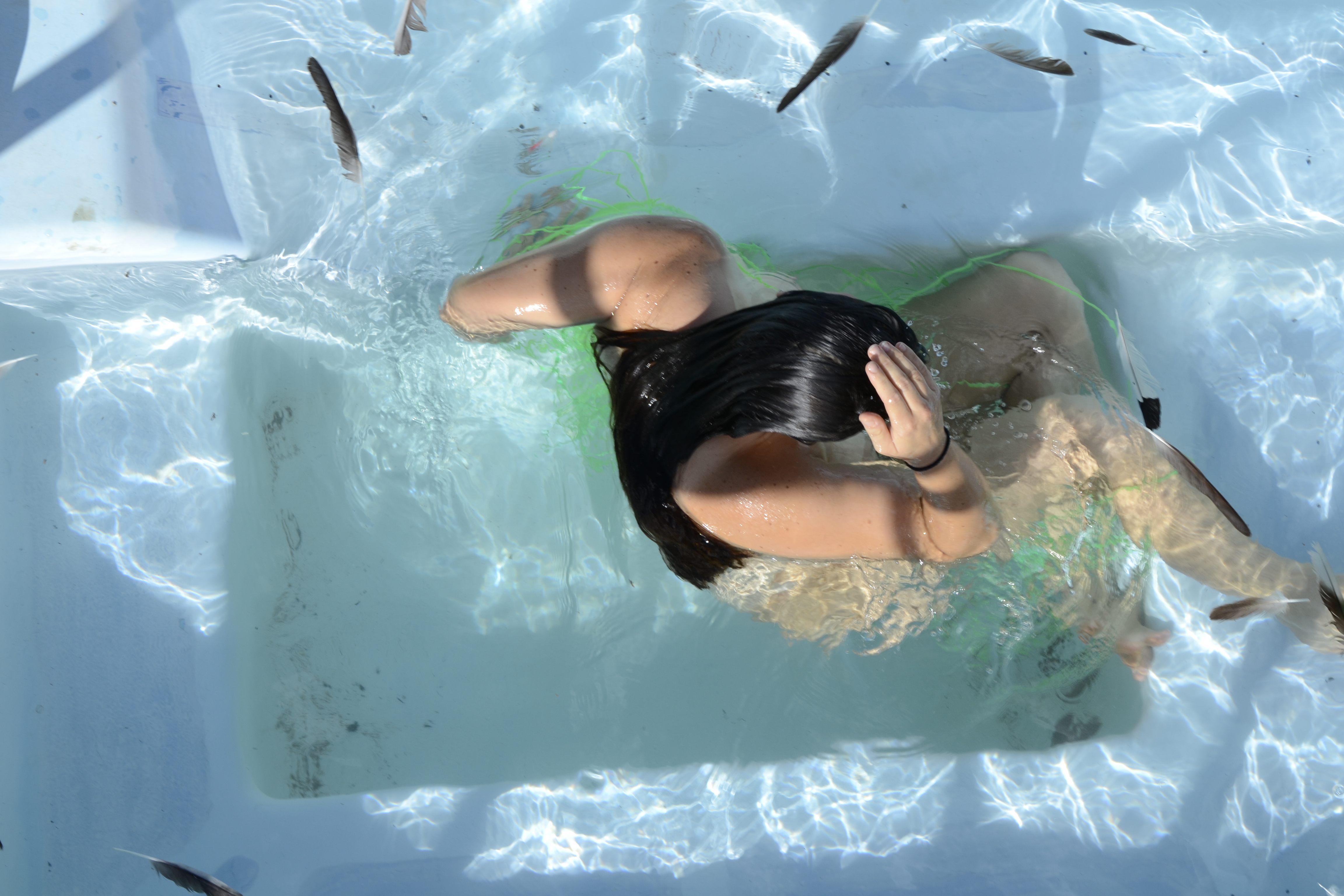
This body of work explored the question of whether individuals do have the agency to navigate situations as they arise, or whether these challenges are predetermined due to social hierarchies and inequalities. Using concepts of intersectionality and privilege within the Australian canon, three installations were presented: A Boat Named Beelzebub; Skæbne vs Skæbne; and Windows, Mirrors and Uber Car Doors.
Micheline Lee says “Unless you change how people think about things, you’re not really going to change their actions or responses”.
Informed by personal challenges, work and learning from others, Falter’s ultimate intention was to jolt viewers to pause, consider their own fortunes, and reflect on what they as individuals can tangibly do to instigate positive change in their immediate communities.
We are currently existing in a society where everything can be monetised and everyone is a consumer. Lucinda Holdworth makes the critical point “…that we might be better focusing on the core things that will strengthen our democracy and institutions that will allow our people to flourish – universal health care, universal high quality education, public services and community goods; and genuine equality of opportunity. Then we might not need so many therapists”.
Perhaps the first step is to focus a little less on “me”, and allow more time to instead focus on how to look after us, the collective “we”.
FALTER was held at The Naval Store. Opening October 6 and ran until October 11.
Photo Credits: Yvonne Doherty
Media
RTRFM Artbeat Interview with Danae Gibson
The Herald Arts October 6, 2023





















© Copyright 2024
All work is protected under copyright law.
All Rights Reserved.
 kaitlynelsegood.com